
 Chat with us on WhatsApp

Create a Child Friendly Space With Dining Chairs
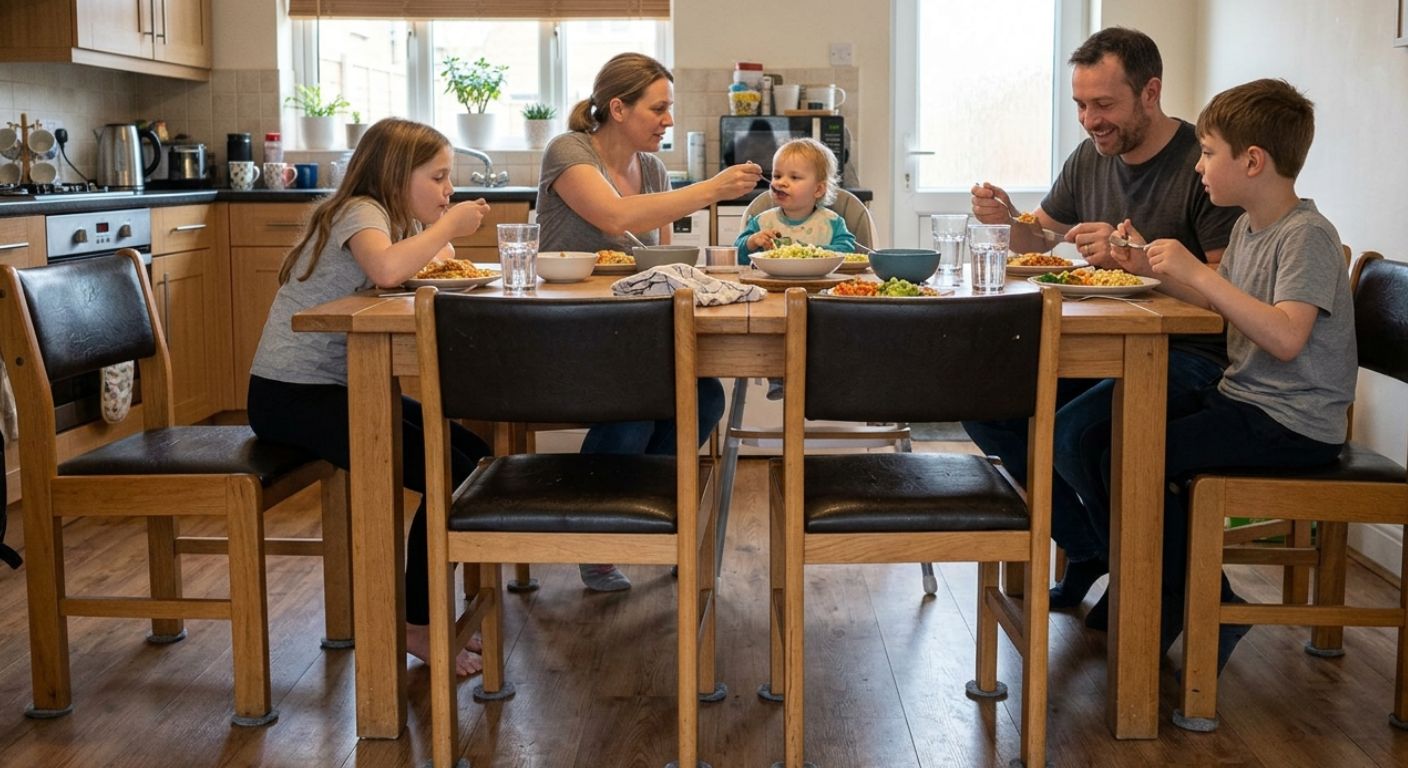
Creating a child-friendly dining space is less about buying specialist children's furniture and more about choosing dining chairs that can handle daily family use safely and practically. In busy homes, dining chairs deal with spills, dragging, climbing, and constant movement. The wrong chair can become unstable, difficult to clean, or frustrating to use long before it actually wears out.
This guide focuses on the practical decisions that matter most when choosing family-friendly dining chairs. It covers stability, materials, wipe-clean finishes, floor protection, and layouts that work better in homes with young children. If you are furnishing a smaller dining area, our guide to dining chairs for small spaces covers compact layouts and space-saving options in more detail.
What Makes a Dining Space More Child Friendly?
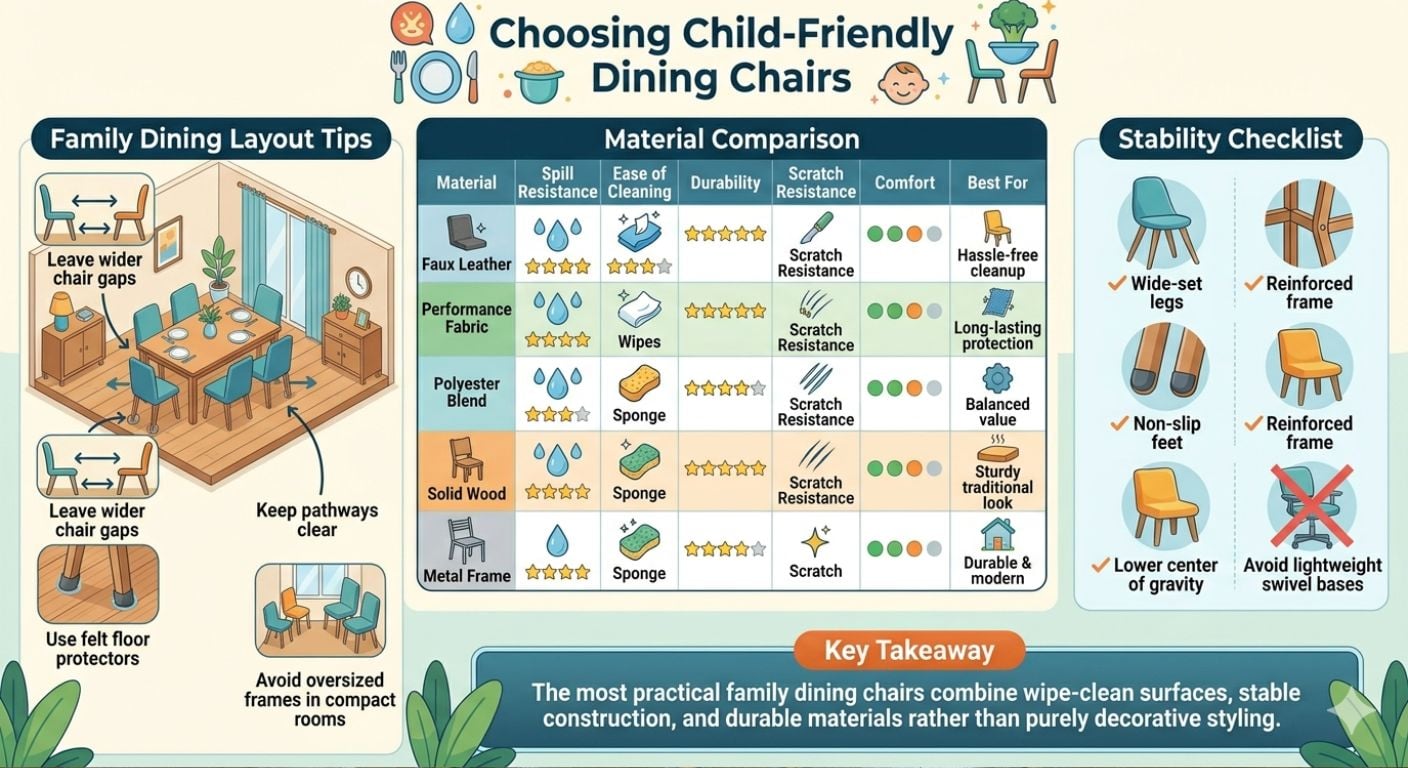
A child-friendly dining space is built around durability, stability, and ease of maintenance rather than decorative styling. The goal is to reduce friction during everyday use. Chairs should stay stable when children climb onto them, surfaces should wipe clean quickly, and layouts should allow enough movement around the table without overcrowding.
The most practical family dining setups usually include:
- Stable dining chairs with wide-set legs or solid frames
- Wipe-clean upholstery or sealed surfaces
- Rounded frame edges where possible
- Scratch-resistant finishes
- Protective feet to reduce floor damage
- Enough spacing between chairs for booster seats or supervised climbing
Most family dining tables sit around 75–80cm high, which means standard dining chairs normally work best with seat heights around 45–48cm. Very low or oversized chairs can become awkward for younger children transitioning away from high chairs.
Which Dining Chair Materials Work Best for Family Homes?
Faux Leather and PU-Coated Upholstery
Faux leather is usually the easiest dining chair material to clean because most spills stay on the surface long enough to wipe away quickly. PU-coated upholstery performs similarly while offering more texture and finish variation than plain vinyl surfaces.
For homes with toddlers or younger children, wipe-clean surfaces reduce long-term staining problems significantly compared to absorbent fabrics.
Advantages include:
- Quick spill removal
- Lower stain absorption
- Easy daily maintenance
- Works well with booster seats
- Suitable for frequent use
Potential drawbacks:
- Can show scratches over time
- Lower-quality PU surfaces may crack eventually
- Less breathable during long sitting periods
Performance Fabrics and Polyester Blends
Modern performance fabrics are designed for heavier domestic use and are increasingly common in family dining spaces. Polyester blends generally resist staining better than natural fibres such as linen or cotton.
Some higher-grade fabrics also include moisture barriers or stain-resistant coatings that improve long-term practicality.
Performance fabrics work well when:
- The dining area doubles as a homework or activity space
- You want softer seating comfort
- The room is used for long family meals
- You need upholstery that hides marks better than smooth faux leather
We regularly find our customers underestimate how much visible wipe marks can show on darker faux leather once children start using the chairs daily.
Solid Wood and Metal Frames
Frame construction matters as much as upholstery. Solid wood and reinforced metal frames generally tolerate heavy daily use better than lightweight composite designs.
Look for:
- Reinforced corner joints
- Fixed stretchers between legs
- Welded metal supports
- Thicker frame sections
- Lower movement when pressure is applied sideways
If you are comparing materials in more detail, our dining chair materials guide explains the differences between common frame and upholstery types.
How to Prevent Dining Chairs From Tipping With Kids
The safest dining chairs for family homes are usually the ones with the lowest centre of gravity and the most stable leg positioning. Chairs that feel lightweight or narrow can become unstable when children climb onto them sideways or lean backwards.
To improve stability:
- Choose wider-set legs rather than narrow pedestal bases
- Avoid lightweight swivel mechanisms in family dining areas
- Look for heavier frames with reinforced support bars
- Use non-slip feet on hard flooring
- Keep chairs fully level on uneven surfaces
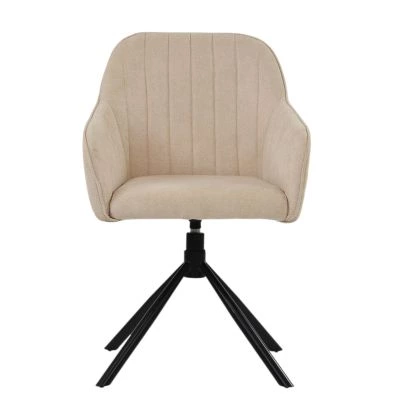
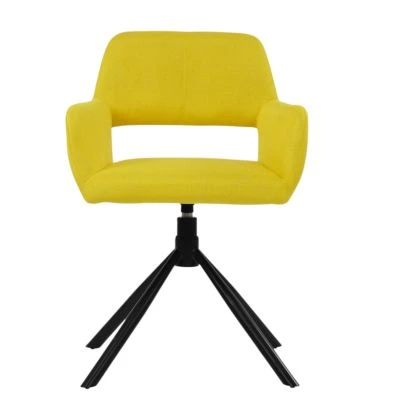
Swivel dining chairs can work in adult-focused spaces, but they are usually less practical for younger children because rotational movement increases instability during climbing or leaning.
The NHS guidance on preventing accidents and injuries also highlights the importance of stable seating and supervision during mealtimes with younger children.
Protecting Floors in Busy Dining Areas
In family homes, dining chairs move far more often than many buyers expect. Children tend to drag chairs instead of lifting them, especially on wood, laminate, or tiled flooring.
To reduce floor damage:
- Use felt-protected chair feet
- Check metal frames for exposed edges underneath
- Replace worn floor protectors regularly
- Avoid rough unfinished chair feet
- Keep dining chairs level to prevent uneven pressure points
Rubber or felt glides are particularly useful in open-plan kitchens where chairs are repositioned constantly throughout the day.
Practical Layout Choices for Family Dining Spaces
A child-friendly dining space should allow enough movement around the table without creating overcrowding. Tight layouts become difficult once booster seats, high chairs, or supervised climbing are involved.
Useful layout adjustments include:
- Leaving wider access gaps at table ends
- Using bench seating on one side for younger children
- Keeping pathways clear between kitchen and dining areas
- Avoiding oversized chairs in compact rooms
- Choosing slimmer chair frames for smaller households
If your room has limited clearance space, our guide to compact dining chairs covers narrower seating designs and smaller room layouts.
When Upholstered Dining Chairs Work Well for Families
Upholstered dining chairs are often avoided in family homes unnecessarily. The issue is usually the fabric choice rather than the upholstery itself.
Well-structured upholstered chairs can still work effectively if:
- The fabric has stain-resistant treatment
- The seat padding is firm enough to hold shape
- The frame remains rigid under daily use
- The upholstery is wipeable or easy to maintain
Families with very young children may still prefer wipe-clean faux leather during the early years, particularly if meals regularly involve spills or messy activities.
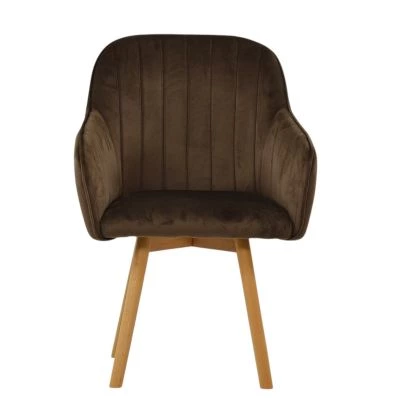
Our article on whether velvet dining chairs are practical explains where softer upholstery works well and where it becomes harder to maintain.
When Child-Friendly Dining Chairs Make Sense — And When They Do Not
They Make Sense When:
- The dining space is used multiple times daily
- Children regularly use the table for homework or activities
- You want lower-maintenance seating
- Floor protection is important
- The chairs need to tolerate heavy daily movement
They May Not Be Necessary When:
- The dining room is used occasionally only
- Children mainly eat elsewhere
- The space is adult-focused
- The chairs are rarely moved
- You prioritise decorative styling over durability
Frequently Asked Questions
What dining chair material is easiest to clean?
Faux leather and PU-coated upholstery are normally the easiest dining chair materials to clean because spills remain on the surface rather than soaking in immediately. Most marks can be wiped away quickly using a damp cloth, making them practical for homes with younger children.
What is the safest type of dining chair for toddlers?
The safest dining chairs for toddlers usually have wide-set legs, a stable base, and minimal sideways movement. Heavier solid wood or reinforced metal frames generally provide better stability than lightweight swivel or narrow pedestal designs.
Are fabric dining chairs bad for family homes?
Not necessarily. Performance fabrics and polyester blends can work well in busy homes if they include stain-resistant finishes or moisture barriers. Natural absorbent fabrics tend to be harder to maintain during heavy family use.
Should family dining chairs be lightweight?
Extremely lightweight dining chairs are often less stable in homes with younger children. Moderately weighted chairs with reinforced frames usually perform better because they resist tipping and tolerate heavier daily use.
-
-
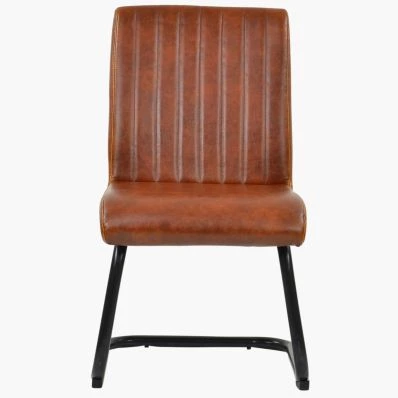
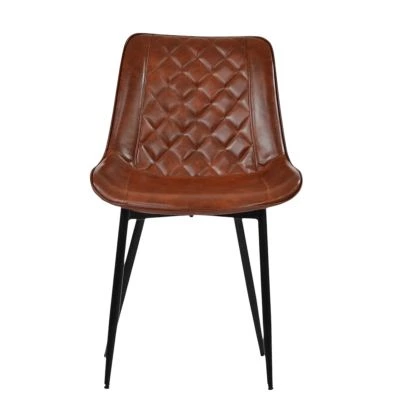
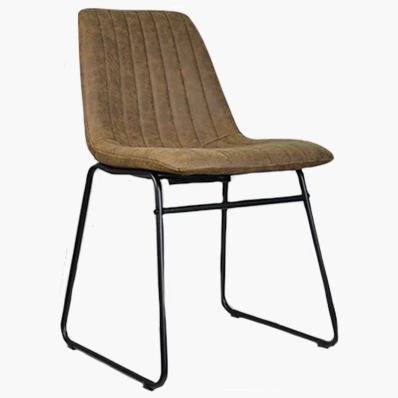 Plato Dining Chair in Aged Brown LeatherSpecial Price £49.99 Regular Price £89.99 Original price 44% Inc VATSaving £40
 -
-
-
-
-
-
-
-
-
-
Conclusion
Creating a child-friendly dining space is mainly about choosing dining chairs that balance stability, durability, and practical maintenance. Wipe-clean materials, stronger frame construction, and sensible layouts usually matter more than decorative styling in busy family homes.
If you are comparing seating options across different room layouts and household types, browse the full Lakeland dining chairs range or explore our wider guide to dining chairs for smaller spaces.


Comments