
 Chat with us on WhatsApp

How to Clean Leather Chairs
Before cleaning any leather-style chair, it helps to understand exactly what material you are dealing with. Genuine leather, faux leather, bonded leather, and coated upholstery all have different maintenance requirements, cleaning limitations, and long-term durability characteristics. If you are unsure which option is best for your home, it is worth understanding the differences before choosing a product. Our guide to Leather Dining Chairs: Real vs Faux, How to Clean & Whether They Are Worth It explains how each material compares in terms of comfort, durability, maintenance, appearance, and everyday practicality, helping you make a more informed buying decision.
This guide explains how to clean leather chairs at home without damaging the finish. It covers everyday cleaning, stain removal, faux leather care, conditioning, what to avoid, and when a chair needs specialist attention instead of more scrubbing. The aim is simple: remove dirt safely, protect the surface, and help the chair last longer in daily use.
The advice applies to leather-style office chairs, dining chairs, occasional chairs, and other upholstered seating used around the home. If you are comparing materials before buying, Lakeland’s office chairs range includes leather-look, fabric, mesh, and upholstered options with different cleaning and maintenance needs.
Start by Identifying the Chair Material
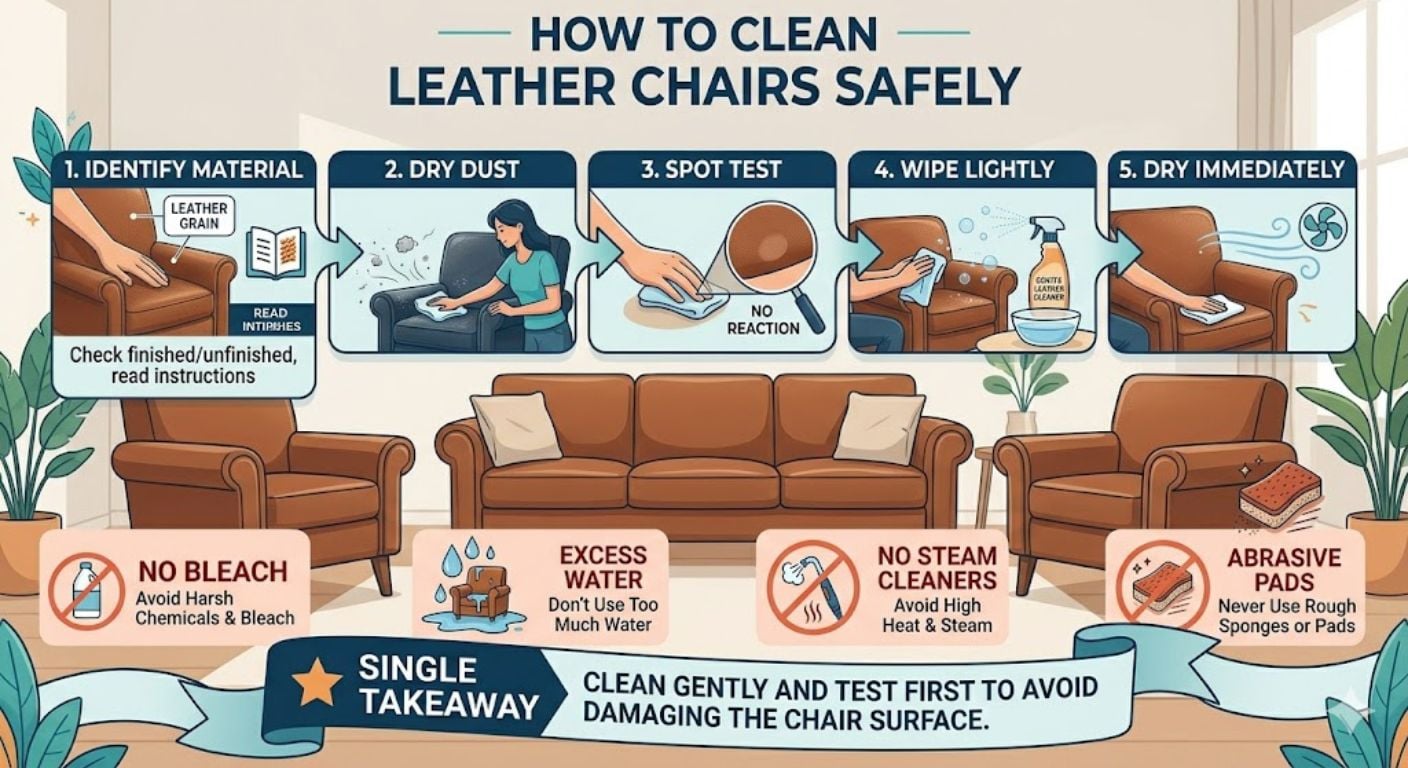
The first step is to check whether the chair is real leather, faux leather, bonded leather, or another coated upholstery. This matters because the wrong cleaner can remove colour, dry the surface, or leave permanent marks.
Most modern home office chairs and dining chairs use faux leather or leather-look upholstery rather than untreated natural leather. Faux leather is usually easier to wipe clean, but it can still crack, peel, or split if exposed to harsh cleaners, excess heat, or repeated over-wetting.
Common Leather and Leather-Look Materials
- Protected or pigmented leather: Real leather with a coated surface. Usually more resistant to marks than unfinished leather.
- Aniline leather: Natural, porous leather with little or no protective coating. It stains more easily and needs specialist care.
- Semi-aniline leather: Real leather with a lighter protective finish. More durable than full aniline, but still needs care.
- Faux leather: Synthetic upholstery, often PU or PVC based. Usually wipe-clean, but sensitive to strong chemicals and abrasion.
- Bonded leather: A composite material made with leather fibres and a coated surface. It can peel if the top layer breaks down.
If the chair has a care label, product manual, or online product page, follow that first. If there is no information, test any cleaner on a hidden area before applying it to the visible seat, backrest, or arms.
What You Need to Clean Leather Chairs
Most leather chairs do not need a complicated cleaning kit for routine care. The safer approach is to start with dry dust removal, then use a lightly damp cloth or suitable leather cleaner only where needed.
- Soft microfibre cloths
- Vacuum cleaner with a soft brush attachment
- Bowl of lukewarm water
- Mild soap or a specialist leather cleaner
- Dry towel
- Cotton buds for small marks
- Leather conditioner, only if suitable for the material
Avoid abrasive cloths, scouring pads, stiff brushes, bleach, strong disinfectants, solvent cleaners, and household sprays. These can strip the finish or leave the chair looking dull. DFS also advises avoiding unsuitable household cleaning products and excess water on leather furniture because they can affect oils, suppleness, and surface condition. DFS leather care guidance gives similar caution for general leather upholstery care.
How to Clean Leather Chairs Step by Step
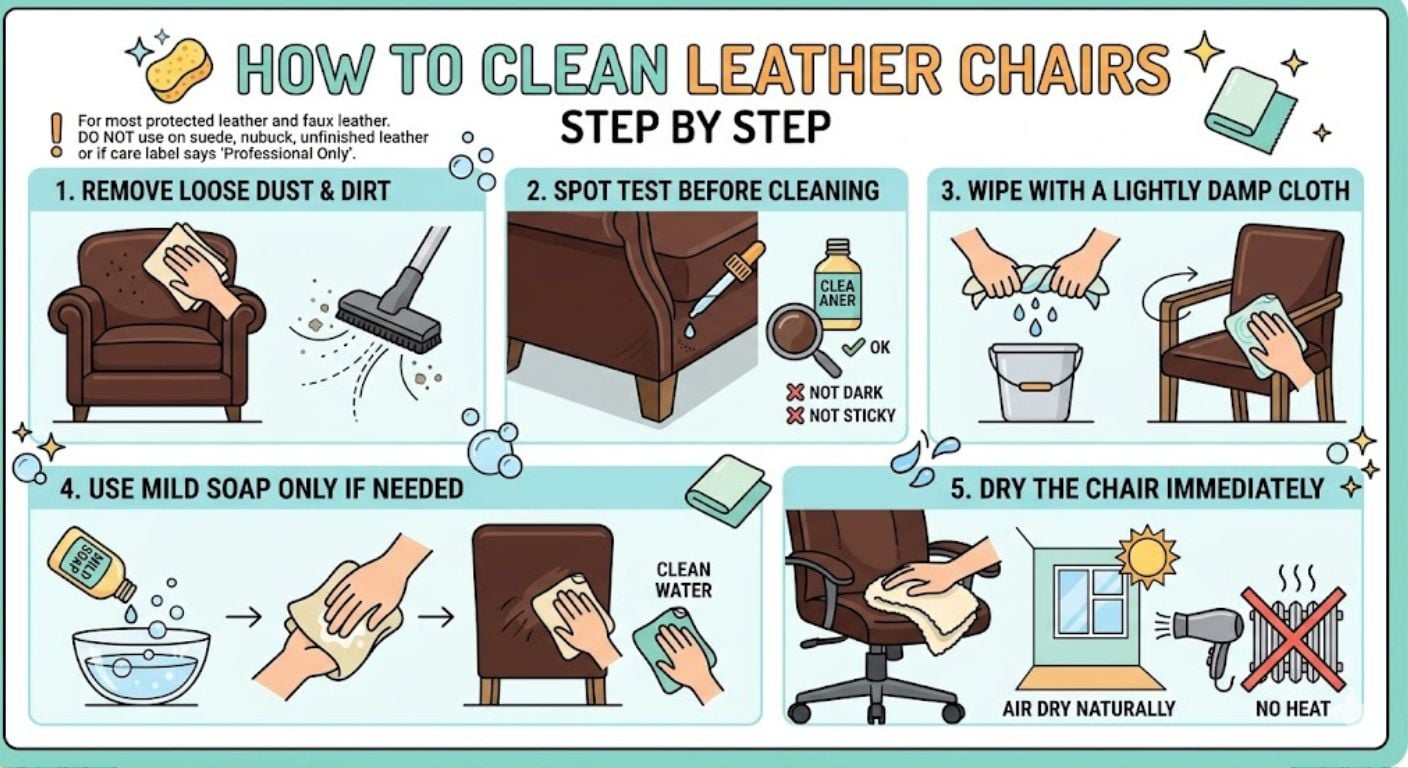
Use this method for routine cleaning on most protected leather and faux leather chairs. Do not use it on suede, nubuck, unfinished leather, or any chair where the care label says professional cleaning only.
1. Remove Loose Dust and Dirt
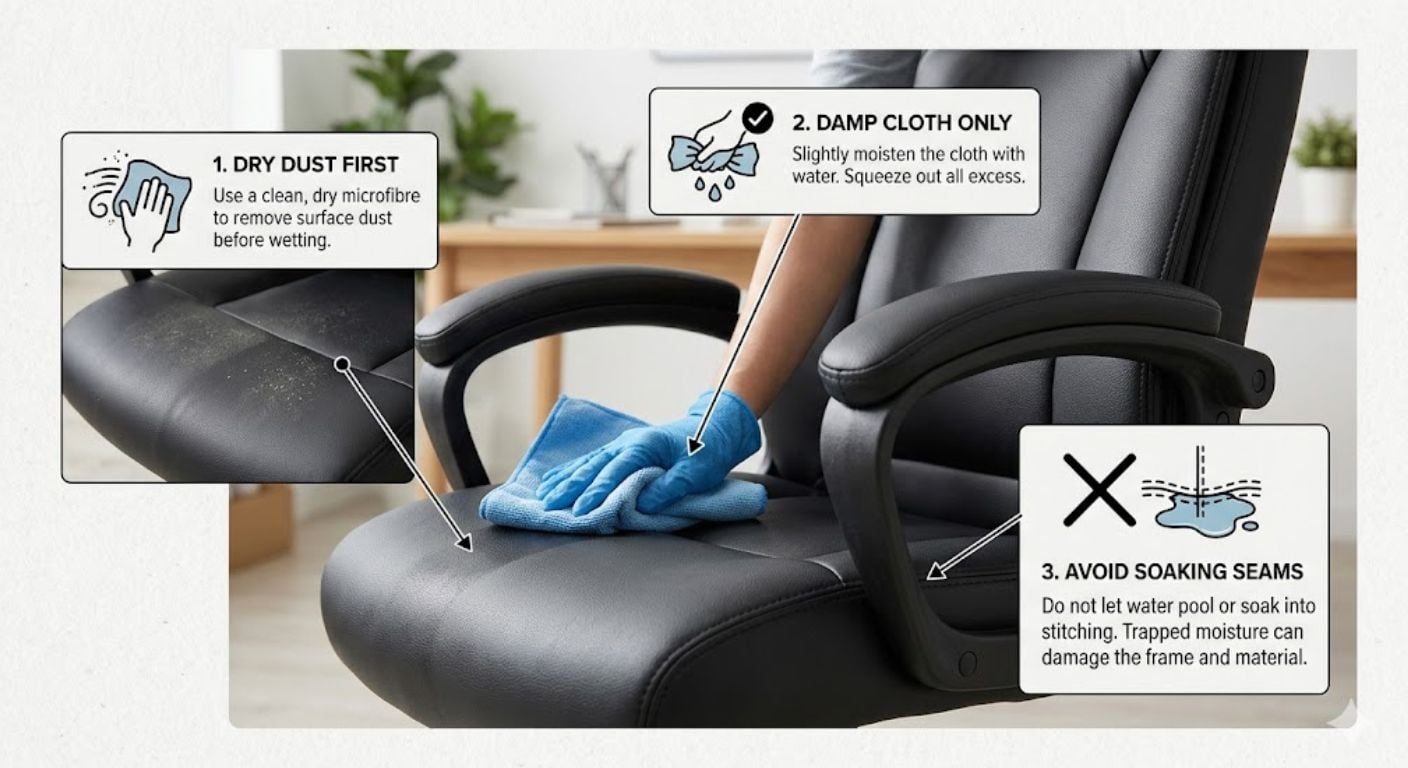
Use a dry microfibre cloth to wipe the seat, backrest, arms, and seams. Dust and grit can scratch the surface if you start rubbing with a damp cloth too quickly.
For seams, stitching, and gaps between the seat and backrest, use a vacuum with a soft brush attachment. Do not press hard. The aim is to lift loose dirt, not scrub the upholstery.
2. Spot Test Before Cleaning
Choose a hidden area, such as the underside of the seat or the lower rear edge of the backrest. Apply a small amount of the cleaning solution and wait until it dries.
Do not continue if the test area darkens, loses colour, becomes sticky, or changes texture. This usually means the cleaner is too strong or the upholstery is too porous.
3. Wipe with a Lightly Damp Cloth
Dampen a microfibre cloth with lukewarm water and wring it out fully. The cloth should be damp, not wet. Wipe the chair in small sections using light pressure.
For everyday marks, this may be enough. Do not soak the surface, pour water onto the chair, or leave moisture sitting in seams. Excess moisture can affect the finish and may cause staining on some leather types.
4. Use Mild Soap Only If Needed
If plain water does not remove the dirt, mix a very small amount of mild soap into lukewarm water. Dip the cloth into the solution, wring it out well, then wipe the affected area gently.
Use a second cloth dampened with clean water to remove any soap residue. Leaving residue on the surface can make the chair feel tacky and attract more dirt.
5. Dry the Chair Immediately
Use a clean dry towel to remove remaining moisture. Let the chair air dry naturally at room temperature.
Do not use a hairdryer, radiator, heat gun, or direct sunlight to speed up drying. Heat can dry the surface too quickly and may encourage cracking or peeling on leather-look materials.
How to Clean Faux Leather Chairs
Faux leather chairs are usually easier to clean than porous real leather, but they are not indestructible. The coating can crack, peel, or become sticky if repeatedly exposed to harsh cleaners or too much moisture.
For faux leather office chairs, use a dry cloth first, then a lightly damp cloth. A small amount of mild soap can be used for grime, but it should be wiped away with clean water and dried immediately.
Avoid leather conditioners unless the product specifically says it is suitable for faux leather. Real leather conditioners are designed to feed natural leather fibres. Faux leather does not absorb conditioner in the same way, so the product may sit on the surface and create residue.
If you are comparing upholstery materials for a work area, the guide to leather office chairs explains comfort, breathability, and maintenance differences in more detail.
How to Remove Common Stains from Leather Chairs
Stains should be treated quickly, but carefully. The biggest mistake is rubbing hard. Rubbing spreads the stain, pushes it into the surface, and can damage the finish.
Food and Drink Spills
Blot the spill immediately with a clean, dry cloth. Work from the outside of the mark towards the centre so the stain does not spread.
Once the liquid has been lifted, wipe the area with a lightly damp cloth. Dry it straight away. If a mark remains, use a suitable leather cleaner rather than increasing water or soap.
Grease and Oil Marks
Grease needs absorbing, not scrubbing. Blot the surface first with a dry cloth. Then sprinkle a small amount of bicarbonate of soda or cornflour over the mark and leave it for several hours.
Brush the powder away gently with a dry cloth. Do not wet the stain first, as water can spread oil and make the mark harder to lift.
Ink Marks
Ink is risky because it can spread quickly and may bond with the surface coating. For small marks, some guides suggest using a cotton bud with a small amount of rubbing alcohol, but this can also remove colour or finish.
The safer rule is to test first in a hidden area. If the chair is pale, expensive, real leather, or the mark is large, use a professional cleaner rather than attempting repeated home treatment.
Dark Marks on Light Leather Chairs
Light-coloured leather and faux leather can pick up dye transfer from denim, dark clothing, cushions, or throws. Once dye has transferred into the finish, it can be difficult to remove without affecting the surface.
Start with a damp cloth and mild cleaner. If the mark remains, avoid stronger chemicals. Repeated rubbing can make the patch look cleaner at first but leave a dull area once dry.
Sticky Residue
Sticky residue usually comes from food, drink, unsuitable cleaning products, or surface breakdown. Wipe with a lightly damp cloth, then dry. If the stickiness remains, stop cleaning and check whether the coating itself is failing.
Bonded leather and older faux leather can become sticky or peel as the top layer deteriorates. Cleaning cannot reverse this type of material breakdown.
Can You Clean Leather Chairs with Vinegar?
Vinegar should be used with caution on leather chairs. Some cleaning advice recommends diluted white vinegar, but it can be too acidic for certain finishes and may dry, dull, or mark the surface if used incorrectly.
If you decide to use it, mix white vinegar and distilled water in equal parts, dampen the cloth lightly, and spot test first. Do not pour the solution onto the chair. Do not use vinegar on aniline, nubuck, suede, cracked, peeling, or unknown leather.
For most chairs, a specialist leather cleaner is safer than a homemade vinegar mix. This is especially true for pale chairs, older chairs, and chairs with visible wear on the seat or arms.
Should You Condition Leather Chairs?
Conditioning can help real leather stay supple, but it is not always suitable for faux leather or coated upholstery. The decision depends on the material.
Use conditioner only if the chair is real leather and the product is suitable for that leather type. Apply a small amount after cleaning and drying, then buff gently with a soft cloth. Do not over-apply. Too much conditioner can leave a greasy feel and attract dust.
For faux leather chairs, check the care instructions. Many faux leather chairs should simply be wiped clean and dried. Applying the wrong conditioner will not improve the material and may leave residue.
How Often Should You Clean Leather Chairs?
Cleaning frequency depends on how the chair is used. A chair used daily at a desk needs more frequent care than an occasional dining chair or dressing table chair.
- Weekly: Dust with a dry microfibre cloth.
- Monthly: Wipe high-contact areas such as arms, seat fronts, and headrests.
- Every 3–6 months: Deep clean suitable leather or faux leather using the correct cleaner.
- After spills: Blot immediately and clean only the affected area.
One thing our customers often underestimate is how quickly armrests and seat edges collect oils from hands and clothing, especially on chairs used every working day.
What Not to Use on Leather Chairs
Many leather chair problems come from using products designed for kitchens, bathrooms, floors, or general household cleaning. These products are often too strong for upholstery finishes.
- Bleach
- Ammonia cleaners
- Strong disinfectant sprays
- Multi-purpose household sprays
- Baby wipes
- Scouring pads
- Steam cleaners
- Furniture polish not designed for leather
- Excess water
- Heat drying
Also avoid repeated cleaning in the same area. If a stain does not lift after careful treatment, stronger action may damage the finish more than the original mark.
Leather Chairs in Home Offices
Leather and faux leather office chairs are exposed to repeated contact from clothing, hands, hair products, and desk use. The seat, armrests, and upper backrest usually show wear first.
For home offices, the most useful routine is simple: dry dust weekly, wipe high-contact areas monthly, and clean spills straight away. If the chair has a swivel base, height mechanism, or fixed arms, avoid letting cleaning liquid run into joints, seams, or moving parts.
Leather-look chairs can suit home offices because the surface is usually easy to wipe after daily use. For buyers comparing alternatives, Lakeland’s leather office chairs category is the most relevant place to compare leather-look seating options, while the wider office chairs category gives a broader view of material choices.
Leather Dining Chairs and Bar Seating
Leather dining chairs and bar stools face different cleaning issues from office chairs. Food spills, grease, hand contact, and clothing transfer are more common around dining tables, kitchen islands, and breakfast bars.
Clean spills quickly and avoid letting crumbs sit in seams or where the backrest meets the seat. For kitchen seating, pay attention to the front seat edge and foot contact areas, as these often collect marks first.
If you are choosing between seating materials for a dining space, wipe-clean upholstery can be practical. The trade-off is that lighter colours may show dye transfer and darker marks more clearly.
When Cleaning Will Not Fix the Problem
Some chair issues are not cleaning problems. Peeling, cracking, flaking, sticky coating, and exposed backing usually mean the upholstery surface is breaking down.
Cleaning may remove dirt from the area, but it will not rebuild the coating. In some cases, more cleaning makes the damage spread faster. If the surface is already lifting, avoid water, soap, alcohol, and scrubbing.
For leather-look chairs, peeling often appears on high-friction areas such as the front seat edge, arms, and upper backrest. Once this starts, the practical options are repair, reupholstery, replacement parts if available, or replacing the chair.
How Cleaning Differs by Upholstery Type
Different chair fabrics need different maintenance. Leather and faux leather are usually easier to wipe than textured fabrics, but they can show cracks, scratches, and coating damage more clearly.
- Leather-look upholstery: Easy to wipe, but avoid harsh cleaners and heat.
- Fabric upholstery: Can absorb spills more quickly and may need fabric-specific cleaning.
- Mesh upholstery: Breathable, but dust can collect in the weave.
- Boucle upholstery: Textured and more likely to trap dust or pet hair.
- Velvet upholstery: Can mark with pressure and needs gentle directional cleaning.
For material comparisons, see Lakeland’s guides to mesh and leather office chair materials, boucle office chair durability, and velvet office chair cleaning.
Decision Logic: Choose the Right Cleaning Method
Use the chair material and the type of mark to decide what to do next.
- If the chair is dusty: Use a dry microfibre cloth first.
- If the chair has light everyday marks: Use a lightly damp cloth and dry immediately.
- If the chair has grime on high-contact areas: Use mild soap or a suitable leather cleaner after a spot test.
- If the chair has grease: Blot first, then use bicarbonate of soda or cornflour to absorb the oil.
- If the chair has ink: Spot test carefully or use a professional cleaner.
- If the chair is peeling: Stop cleaning and assess whether the coating has failed.
- If the material is unknown: Use the least aggressive method first and test in a hidden area.
The safest cleaning method is usually the one that removes the least surface material. Start dry, move to damp, then use specialist products only when necessary.
Frequently Asked Questions
What is the best way to clean leather chairs at home?
The safest way to clean leather chairs at home is to dust first, spot test, then wipe with a lightly damp microfibre cloth. Use mild soap or a suitable leather cleaner only if plain water does not remove the mark. Dry the chair immediately and avoid soaking seams, arms, or seat edges.
Can you use washing-up liquid on leather chairs?
A very small amount of mild soap can be used on some protected leather and faux leather chairs, but it must be diluted and tested first. Avoid strong detergents or heavy soap mixes. After cleaning, wipe with a clean damp cloth to remove residue, then dry the surface with a towel.
Can vinegar damage leather chairs?
Yes, vinegar can damage some leather chairs if it is too strong, used too often, or applied to porous leather. If used at all, it should be diluted with equal parts distilled water and tested on a hidden area first. A suitable leather cleaner is usually the safer option.
How do you clean white leather chairs?
Clean white leather chairs with a dry cloth first, then a lightly damp cloth. For ingrained dirt, use a suitable leather cleaner and work gently into the grain without soaking the surface. Avoid dark cloths, coloured sponges, and strong chemicals, as these can transfer colour or damage the finish.
How do you remove grease from a leather chair?
Blot grease with a dry cloth without rubbing. Sprinkle bicarbonate of soda or cornflour over the mark and leave it for several hours to absorb the oil. Brush the powder away gently. Do not wet the stain first, as water can spread grease and make the mark harder to lift.
Should leather chairs be conditioned?
Real leather chairs may benefit from conditioner if the product is suitable for the leather type. Faux leather chairs usually do not need traditional leather conditioner because the material does not absorb it in the same way. Always check the care instructions and test first before applying conditioner to a visible area.
Why is my leather chair peeling?
Peeling usually means the surface coating is breaking down. This is common on bonded leather or older faux leather where the top layer has worn through. Cleaning cannot reverse peeling. Avoid scrubbing or soaking the area, as this may make the damaged surface lift faster.
How often should leather office chairs be cleaned?
Leather office chairs used daily should be dusted weekly and wiped monthly on high-contact areas such as the arms, seat edge, and upper backrest. Spills should be blotted immediately. Chairs used less often may only need routine dusting and occasional surface cleaning.
-
-
-
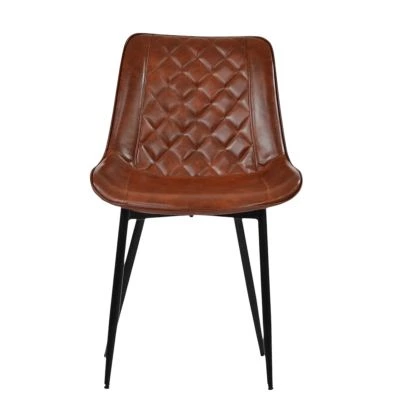
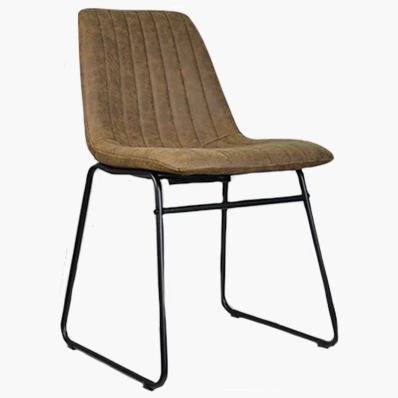 Plato Dining Chair in Aged Brown LeatherSpecial Price £49.99 Regular Price £89.99 Original price 44% Inc VATSaving £40
 -
-
-
-
-
-
-
-
-
Summary: Leather Chair Cleaning Rules
- Identify the material before choosing a cleaner.
- Always spot test on a hidden area first.
- Start with dry dust removal before using moisture.
- Use a damp cloth, not a wet cloth.
- Dry the chair immediately after cleaning.
- Avoid bleach, strong sprays, steam, abrasive pads, and excess water.
- Use conditioner only on suitable real leather.
- Do not keep scrubbing stains that will not lift.
- Peeling, cracking, and sticky coating are material breakdown issues, not normal dirt.
For most homes, leather-look chairs are practical because they are simple to wipe clean and maintain. The key is to clean gently, act quickly on spills, and avoid products that damage the finish. If you are comparing office seating materials before buying, Lakeland’s office chairs range and supporting material guides can help narrow the choice by use, comfort, and maintenance needs.


Comments